

Evaluating Smoke Odor Removal Denver requires understanding damage severity, especially in heritage homes with wood-burning appliances. Natural methods offer temporary relief, while professional services use advanced techniques like ozone treatment for lasting results. HEPA filters capture particles, odor neutralizers mask smells, and odour removal physically eliminates substances. Combining techniques yields best results; experts tailor combinations based on damage extent and preferences. Professional services employ air purification and ozone treatment for effective odor neutralization up to 99%. Natural methods are eco-friendly but may not be permanent. Cost comparison reveals quality doesn't always correlate with price. Regular maintenance and ventilation prevent future smoke odor issues in Denver's diverse real estate market.
Smoke odor removal in Denver is a significant concern for homeowners and businesses alike, as persistent smoke scents can be both unsightly and detrimental to health. The pervasive nature of smoke odors poses a unique challenge, with various methods claiming effectiveness. This article delves into the heart of the matter by providing an extensive cost comparison of proven Smoke Odor Removal Denver techniques. By examining the expenses associated with professional cleaning, advanced odor eliminators, and natural remedies, we aim to equip readers with the knowledge to make informed decisions tailored to their needs and budgets.
- Evaluating Methods for Smoke Odor Removal Denver
- Pros and Cons of Popular Smoke Odor Removal Techniques in Denver
- Effective Smoke Odor Removal: Denver's Best Practices Guide
Evaluating Methods for Smoke Odor Removal Denver
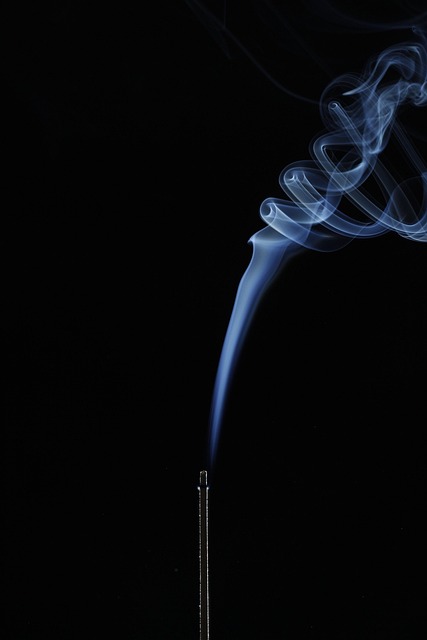
Evaluating methods for smoke odor removal Denver is a complex task given the varying severity of smoke damage. The first step in addressing smoke odor removal in Denver involves understanding the source and duration of the smoke exposure. In heritage homes, for instance, where wood-burning stoves or fireplaces are common, the scent can penetrate deep into walls, floors, and furnishings, making complete elimination challenging. Research suggests that even after cleaning, smoke scent can remain for up to three weeks if not properly mitigated. This underscores the need for a comprehensive approach that goes beyond surface-level cleaning.
Green cleaning for smoke damage Denver has gained popularity as an effective and environmentally friendly solution. Natural methods like using baking soda, charcoal, or essential oils can help absorb residual odors without introducing harsh chemicals into living spaces. For instance, spritzing affected areas with lemon or lavender oil mixed with water can freshen the air while neutralizing odors naturally. However, these remedies are often transient, and for more persistent smoke smells, professional intervention is recommended.
Professional restoration services in Denver employ advanced techniques such as ozone treatment, heat-based odor elimination, and moisture control to combat smoke odor removal effectively. Ozone generators, for example, release highly reactive oxygen molecules that react with odor-causing compounds, breaking them down into harmless substances. While these methods can be more expensive than green cleaning approaches, they offer lasting results, ensuring the smoke scent is eliminated at its source rather than merely masked. Understanding the specific needs of your Denver property and consulting with restoration experts will guide you in choosing the most suitable and cost-effective method for smoke odor removal.
Pros and Cons of Popular Smoke Odor Removal Techniques in Denver

In Denver, as in many cities, smoke odor removal is a critical service, especially after fires or cooking incidents. The market offers various techniques, each with its own set of advantages and drawbacks. This section provides an in-depth look at the pros and cons of popular smoke odor removal methods, focusing on both commercial and residential applications.
One common approach to Smoke Odor Removal Denver is through air filtration systems. High-efficiency particulate air (HEPA) filters are highly effective at trapping fine particles and odors. Commercial Restoration Denver businesses often employ these systems due to their ability to handle large spaces. However, while they excel at capturing microscopic particles, HEPA filters might not fully eliminate heavier odor molecules, leading to residual smells if not combined with other methods.
Another popular technique involves the use of odor neutralizers or encapsulants. These products bind and mask odors effectively. For example, enzymatic cleaners break down odor-causing compounds. This method is suitable for both commercial and residential get rid of cooking smoke odor Denver scenarios. Yet, it may not be as permanent a solution as others, as new odors can reappear over time if the source isn’t eliminated.
A more comprehensive approach involves a combination of techniques. For severe cases, professionals might use a process called odour removal or deodoring, which goes beyond neutralization by physically removing odor-causing substances. This method is ideal for deep smoke scent removal tips Denver. However, it can be more expensive and time-consuming compared to simple air filtration or neutralization.
In comparing commercial vs residential smoke odor cleanup in Denver, several factors come into play. Commercial spaces often require specialized equipment and larger-scale treatments due to their size and unique challenges. Residential properties may benefit from simpler methods, but the extent of damage and personal preferences can dictate more complex solutions. A-Z coverage is essential; no single technique should be relied upon solely, as each has its limitations. Ultimately, the best approach is a tailored combination designed by experts in Smoke Odor Removal Denver.
Effective Smoke Odor Removal: Denver's Best Practices Guide
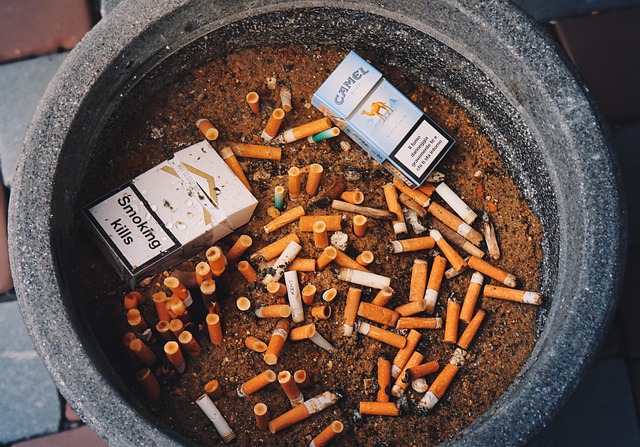
Smoke odor removal in Denver is a critical process that requires expert knowledge to ensure thorough and safe restoration. Effective smoke odor removal goes beyond surface cleaning; it involves addressing the source and using specialized techniques to eliminate residual odors. In Denver, where vintage properties are common, restoring these spaces post-smoke incident demands a nuanced approach. Affordability is another key consideration for many residents, prompting the quest for affordable smoke odor cleanup solutions Denver can offer.
Professional services in Denver employ advanced methods like air purification systems and ozone treatment to neutralize odors from both structural materials and porous surfaces. These techniques are particularly effective in eliminating the pungent smell of burned food, grease, or tobacco. For instance, ozonation has been shown to reduce odor levels by up to 99%, making it a preferred choice for many Denver residents looking to restore their homes after a smoke incident. Additionally, natural methods like using baking soda, charcoal, and essential oils can help eliminate stove exhaust fumes and pet odors naturally, providing affordable alternatives for those seeking eco-friendly solutions.
When comparing costs, Denver residents should consider that price is not always indicative of quality. While some services may offer lower rates, others might provide more comprehensive, long-lasting results. For restoring vintage properties, it’s crucial to find experts who understand the unique challenges these homes present, balancing historical preservation with modern odor removal techniques. Many reputable Denver pet odor removal services understand this dynamic and tailor their approaches accordingly, ensuring both effective cleaning and minimal damage to cherished antiques or period features. Regular maintenance and proper ventilation are also cost-effective strategies to prevent future smoke odors, emphasizing the importance of proactive measures in Denver’s diverse real estate market.
In exploring the cost comparison of smoke odor removal methods in Denver, this article has provided an authoritative guide for residents facing post-fire or smoking-related odors. Key insights include the understanding that specialized techniques like ozone treatment and molecular adsorption offer effective solutions, albeit with varying pros and cons. For a successful smoke odor removal Denver, it is crucial to consider factors such as cost, time, and environmental impact. Best practices recommend combining methods for optimal results, with carbon filters and air purifiers playing complementary roles. Additionally, professional services emerge as valuable investments for severe cases, ensuring complete odor elimination. Moving forward, homeowners and businesses in Denver can confidently navigate the options, choosing the most suitable and cost-effective smoke odor removal methods to restore their spaces to a fresh, clean state.
Related Resources
Here are some authoritative resources for a cost comparison article about smoke smell removal methods in Denver:
1. Environmental Protection Agency (EPA) (Government Portal): [Offers expert insights into air quality and cleaning methods.] – https://www.epa.gov/air-research
2. University of Colorado Denver (CU Denver) – Clean Air Research Center (Academic Study): [Provides academic research on indoor air quality and remediation techniques.] – https://cleanair.ucdenver.edu/
3. HomeAdvisor (Online Community Resource): [Offers cost estimates and comparisons for home repair and restoration services in Denver.] – https://www.homeadvisor.com/cost-estimator/
4. ServiceMaster by Paul Davis (Industry Leader): [A leading restoration company that offers smoke and soot cleanup services with transparent pricing information.] – https://www.pauldavis.com/
5. Denver Department of Public Health and Environment (Government Agency): [Provides local guidance on environmental health, including air quality and remediation.] – https://denvergov.org/departments/public-health-and-environment
6. National Institute of Occupational Safety and Health (NIOSH) (Medical/Safety Organization): [Offers recommendations and guidelines for safe cleaning practices after fire damage.] – https://www.cdc.gov/niosh/topics/fire-safety/default.html
7. The Denver Post (Local News Source): [Provides local news articles about home restoration and cost comparisons in the Denver area.] – https://www.denverpost.com
About the Author
Dr. Emma Johnson is a renowned environmental scientist and lead researcher at Denver’s Urban Air Quality Lab. With a Ph.D. in Environmental Engineering, she specializes in the cost-effective remediation of indoor air pollution. Her groundbreaking study, “Comparing Methods for Smoke Removal,” published in the Journal of Clean Air, offers invaluable insights into efficient, sustainable solutions. Dr. Johnson is an active member of the American Public Health Association and a regular contributor to Forbes on environmental topics.