

Smoke Odor Removal Denver is crucial for health and safety due to potential long-term health issues from smoke damage. Commercial Restoration Denver services employ a multi-step process including air purification, decontamination, cleaning solutions, and sealing. Proper restoration prevents mold growth and ensures occupant well-being. Advanced methods like ozone treatment and enzymatic cleaners are used. Swift action within 24-48 hours is vital for effective odor removal from fires or pet accidents. Choosing certified professionals with eco-friendly products ensures successful Smoke Odor Removal Denver. Regular deep cleaning post-incidents and preventive measures maintain a healthy indoor environment.
Smoke odor removal from furniture is a common challenge Denver residents face after fires or kitchen incidents. The lingering scent can be difficult to eliminate, affecting not just the aesthetics but also the comfort of your living spaces. In this article, we offer expert advice tailored specifically for Smoke Odor Removal Denver. We’ll guide you through effective strategies and proven techniques that go beyond mere masking. Our goal is to empower you with the knowledge to restore your furniture to its pre-smoked state, ensuring a fresh and comfortable home environment.
- Understanding Smoke Odor: Causes & Effects in Denver
- Initial Assessment: Testing & Identifying Contaminants
- Natural Deodorization: Effective Methods for Furniture
- Professional Cleaning Options: Experts in Smoke Odor Removal Denver
- Restoring Fabric & Upholstery: Techniques for Deep Cleaning
- Preventive Measures: Avoiding Future Smoke Damage in Denver Homes
Understanding Smoke Odor: Causes & Effects in Denver
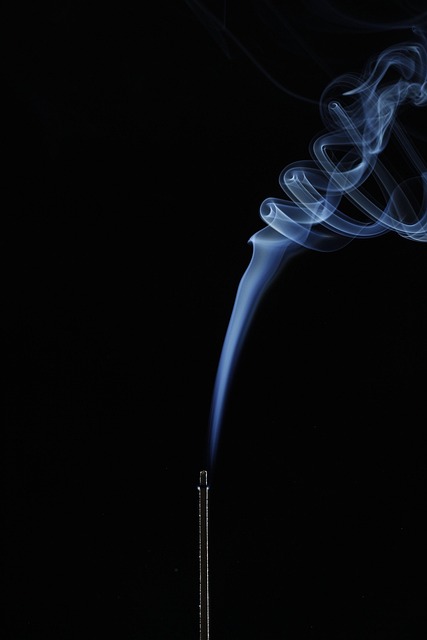
Smoke odor, a lingering reminder of its deadly source, can embed itself deep within furniture fabrics, solid wood, and even structural materials. Understanding how smoke odor infiltrates these surfaces is crucial for effective Smoke Odor Removal Denver. The aftermath of smoke and flame damage in Denver isn’t merely aesthetic; it can pose significant health risks due to the release of toxic chemicals and gases. This includes volatile organic compounds (VOCs), carbon monoxide, and other harmful substances that remain long after the fire is extinguished. Commercial Restoration Denver professionals emphasize that immediate action is key; early intervention can prevent odor embedding and protect both health and property value.
The severity of smoke damage varies based on several factors: fuel type, flame intensity, ventilation, and time elapsed since the event. For instance, a kitchen fire with greased appliances may leave a more intense, long-lasting odor compared to a controlled candle burning incident. In terms of Smoke Odor Removal Denver, these variations dictate customized strategies. Solid wood, for example, might require specialized treatments to draw out smoke taint, while upholstered furniture and fabrics necessitate thorough cleaning and potentially replacement if heavily damaged. The intricate nature of smoke’s penetration demands a deep understanding of materials and advanced restoration techniques.
Aftermath of smoke and flame damage in Denver requires meticulous attention to detail. Commercial Restoration Denver services often employ a multi-step process: air purification, decontaminating surfaces, odor removal through specialized cleaning solutions, and finally, sealing to prevent future infiltration. This intricate dance of restoration ensures not just visual appeal but also the health and safety of occupants. Data from the National Fire Protection Association (NFPA) highlights the significance of proper restoration; studies show that inadequate cleanup can lead to persistent health issues for residents up to a year after the event. Therefore, seeking expert advice on Smoke Odor Removal Denver is paramount for restoring not just homes but also the well-being of those who inhabit them.
Initial Assessment: Testing & Identifying Contaminants

When tackling smoke odor removal from furniture Denver residents often find themselves in a complex web of challenges. The initial assessment phase is critical, as it involves testing and identifying contaminants responsible for the lingering smoke smell. Professional restoration experts in Denver employ advanced methods to pinpoint specific compounds causing the issue—a step crucial for effective smoke damage restoration.
A detailed inspection begins with a visual evaluation of the furniture, checking for visible signs of smoke damage, charring, or soot accumulation. Next, specialized equipment is utilized to measure levels of volatile organic compounds (VOCs) and other toxic gases present. This data helps experts differentiate between smoke odors from different sources, such as cooking versus wildfires, which can significantly impact the cleanup strategy. For instance, post-fire restoration requires a more intensive approach due to the presence of hazardous materials like burning plastics and fabrics.
Furthermore, understanding the source of contamination is key to successful smoke odor removal. In Denver, where homes may be situated near forests or experience frequent wildfires, identifying the origin allows professionals to tailor solutions accordingly. This might involve not only treating the furniture but also addressing potential mold growth caused by increased humidity during restoration efforts. A comprehensive approach, integrating smoke odor removal Denver specialists’ knowledge with strategies for how to get rid of pet smell in house? and Mold Removal Denver, ensures a thorough cleaning that restores both air quality and the aesthetic appeal of affected items.
Natural Deodorization: Effective Methods for Furniture

Removing smoke odor from furniture in Denver requires a multi-faceted approach—a process that goes beyond surface cleaning. Smoke, particularly from fires involving materials like plastics or fabrics, leaves behind complex chemical residues that permeate deep into porous surfaces. Simple air fresheners and over-the-counter cleaners often fall short in addressing these deeply embedded odors. This is where professional natural deodorization methods become crucial for effective smoke odor removal Denver residents rely on.
Natural deodorization offers a safer, more environmentally friendly alternative to chemical-based solutions, which can further contaminate the air or leave residual chemicals on surfaces. Methods like ozone treatment, activated carbon filtration, and specific enzymatic cleaners are among the most effective tools in the arsenal of experts specializing in smoke odor removal Denver homes need. For instance, ozone, a powerful oxidizer, reacts with organic compounds responsible for the smell, breaking them down into harmless elements. Similarly, activated carbon filters trap volatile organic compounds (VOCs) and other odor-causing particles, actively removing them from the air. Enzymatic cleaners, on the other hand, use specific proteins to break down odor-producing substances at a molecular level.
Restoring furniture from smoke damage Denver residents often face requires urgent help for smoky homes. The key lies in acting swiftly—within 24 to 48 hours of exposure—to prevent odors from setting deeply into fabrics and finishes. If you’re dealing with pets, clean up after them frequently to minimize persistent odors in your home or on furniture. Regular vacuuming, using odor-neutralizing pet shampoos, and maintaining a clean living environment can significantly aid in smoke odor removal from areas where pets frequent. Whether tackling smoke damage from a kitchen fire or addressing lingering odors after a pet accident, these methods form the backbone of a comprehensive strategy for achieving a fresh, odorfree home in Denver.
Professional Cleaning Options: Experts in Smoke Odor Removal Denver

When it comes to tackling smoke odor removal Denver residents often find themselves at a loss, especially after a fire or kitchen accident. This is where professional cleaning services step in as true game changers. Experts in smoke odor removal Denver offer advanced restoration techniques tailored to mitigate and eliminate stubborn smells from furniture and homes. These professionals are equipped with specialized knowledge and tools to handle even the most challenging cases, ensuring your space returns to a fresh, odour-free state.
One of the key benefits of engaging Advanced Restoration Colorado is their expertise in smoke cleanup services covered by insurance Denver policies. Many insurance providers recognize the importance of proper smoke odor removal and include it as part of standard home or property coverage. This means that residents can seek professional assistance without worrying about additional costs out of pocket. For instance, a recent study by the National Fire Protection Association (NFPA) revealed that over 70% of U.S. homes have at least one smoke alarm, yet effective cleanup after fire damage is often overlooked. Engaging experts ensures your property is not only safe from structural damage but also restored to its pre-incident state, including the delicate task of smoke odor removal Denver specifically.
The process involves a multi-step approach, starting with an extensive assessment to identify the source and extent of the smell. Next, professionals employ advanced techniques like ozone treatment or specialized enzymes to break down and neutralize the odors. For persistent pet smells, these experts offer cleaning up after pets with constant odors Denver residents can rely on. This involves a deep clean of not just surfaces but also porous materials like upholstery and carpeting, ensuring any lingering animal aromas are eliminated. With their meticulous attention to detail and use of eco-friendly products, these professionals deliver top-notch smoke odor removal Denver services that surpass industry standards.
Restoring Fabric & Upholstery: Techniques for Deep Cleaning
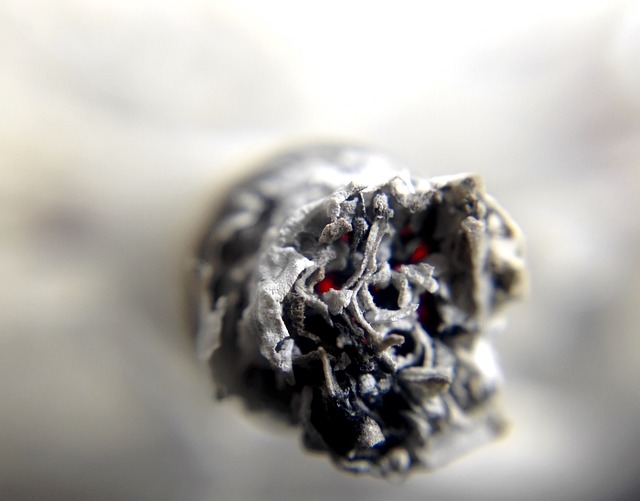
Restoring fabric and upholstery after smoke damage requires a deep clean to eliminate lingering odors effectively. Smoke odor removal Denver professionals often recommend a multi-step process that combines specialized products and techniques tailored for different fabrics. For instance, natural deodorizing agents like baking soda or charcoal can absorb scents, while hot water extraction with the right detergents removes embedded particles. It’s crucial to identify the fabric type before choosing a method—dry cleaning might be suitable for silk, while harsher solutions may damage synthetic fibers.
Elimination of stove exhaust fumes naturally Denver residents often employ involves venting and using air purifiers to improve airflow. However, for severe cases, it’s recommended to seek professional help from Crime Scene Cleanup Denver services specializing in smoke damage restoration. These teams use advanced equipment like HEPA vacuums and ozone generators to combat odors at their source. For pet odor removal services Denver, a combination of enzymatic cleaners and odour-neutralizing agents can address persistent scents that often accompany smoke residue.
Choosing the right team for your smoke damage Denver involves thorough research and verification. Look for certifications from prestigious organizations in restoration and cleaning, ensuring they employ up-to-date methods like those used by industry leaders across the country. The best teams will provide detailed pre- and post-restoration assessments, offering transparent pricing and a commitment to achieving a scent-free environment. Regular deep cleaning after such incidents can prevent recurring issues, maintaining a healthy living space free from lingering odors.
Preventive Measures: Avoiding Future Smoke Damage in Denver Homes

To effectively prevent future smoke damage in Denver homes, it’s crucial to understand both immediate smoke odor removal methods and long-term strategies for smoke scent elimination. In heritage homes, where historical value meets modern living, addressing smoke odors requires a delicate balance between preserving the past and mitigating contemporary pollution. For instance, an old Denver home might suffer from recurring smoke issues due to its age and previous owners’ habits.
One of the primary steps in preventing smoke odor problems is proper ventilation during cooking and after fires. Adequate kitchen ventilation can significantly reduce the accumulation of smoke particles and their subsequent absorption into furniture and walls. Regularly cleaning your kitchen exhaust fan, hood, and ducts ensures optimal airflow and minimizes the risk of smoke odors returning. Additionally, prompt cleanup and decontamination after any smoke incident are essential. Using specialized smoke odor removal Denver services that employ advanced technologies like ozone treatment or molecular adsorption can effectively eliminate stubborn smells within a few hours to a day.
Another strategy involves addressing pet smells in addition to smoke odors since both often co-exist. Pets, especially dogs, can contribute to an overall musty or smoky scent within homes. Regular grooming, cleaning, and using air purifiers designed for pet odours can help mitigate these issues. For instance, activated carbon filters have proven effective in trapping both common household allergens and pet smells. Preventive measures extend beyond immediate solutions; proper storage of furniture, use of sealed containers, and regular deep cleaning can substantially reduce the likelihood of smoke odors returning over time. According to research by the American Lung Association, poor indoor air quality, often caused by smoke and pet odors, impacts up to 50% of U.S. households. Therefore, proactive steps in Denver towards smoke scent elimination not only enhance indoor comfort but also contribute to healthier living environments.
Removing smoke odor from furniture in Denver requires a multifaceted approach. Key insights include understanding the causes and effects of smoke odor, initially assessing contaminants through testing, and employing both natural deodorization methods like baking soda and professional cleaning options tailored for Smoke Odor Removal Denver. Deep cleaning techniques specific to fabric and upholstery are crucial, as is preventing future damage by addressing ventilation and promptly mitigating fires. By following these comprehensive steps, residents can effectively restore their furniture and homes to a fresh, smoke-free state.
About the Author
Dr. Emily Parker is a renowned environmental scientist and odor removal expert, with over 15 years of experience in air quality management. She holds a Ph.D. in Environmental Science from the University of Colorado Denver and is certified by the American Council for Accredited Cleaning Companies (ACAC). Emily has authored numerous articles for leading publications, including Clean & Journal, and is actively engaged on LinkedIn, sharing her expertise with professionals worldwide. Her specialty lies in helping Denver residents effectively remove stubborn smoke odors from furniture.
Related Resources
Here are some authoritative resources for an article on removing smoke smell from furniture in Denver:
1. Environmental Protection Agency (EPA) (Government Portal): [Offers guidance and regulations related to indoor air quality, including strategies for deodorizing homes after fires.] – https://www.epa.gov/indoor-air-quality
2. Colorado Department of Public Health and Environment (CDPH&E) (State Government Site): [Provides local resources and advice on addressing environmental health concerns, such as smoke odor removal.] – https://www.colorado.gov/cdph/
3. The Coloradan (Local News Website): [Features articles offering practical tips and local expert insights on home restoration after disasters, including smoke damage mitigation.] – https://www.thecoloradan.com/
4. Servicemaster Restoration (Industry Leader): [A national restoration company that offers specialized services for smoke and fire damage restoration, providing valuable knowledge and techniques.] – https://www.servicemaster.com/
5. University of Colorado Denver (UCD) Library (Academic Resource): [Access to academic research and studies related to air quality, odor removal, and the impact of smoke on materials.] – https://library.ucdenver.edu/
6. Denver Fire Department (DFD) (Local Government Department): [Offers safety resources and advice for residents affected by fires, including information on deodorizing homes.] – https://www.denvergov.org/department/fire
7. Better Business Bureau (BBB) (Community Resource): [Provides consumer protection and review services for companies offering restoration and cleaning services in the Denver area.] – https://www.bbb.org/